Having not set out to write a saga, I find myself doing so as we reach part 3, and we still haven’t yet encountered the modern semi-feral herds of ponies on the island of Britain. So far we’ve determined that small equines have been on this little bit of land called Britain for literally thousands of years, and I’m now ready to take the tale closer to modern times – but perhaps not right up to date. Not quite, not yet.
Now you did read parts 1 and 2 didn’t you? And you did watch the nail-biting journey of the Bakhtiari as they moved their flocks and herds (or the flocks and herds moved them) to fresh pastures. If you didn’t I suggest you go back and watch it. There’s no finer way to understand the connection between humans and non-human animals in the ancient migratory drifts, and how migration morphed into herding. Herding is closer to the natural migration of animals than any other human activity.
As you watch the Bakhtiari fastening their animals onto rafts, dragging them out of the river so they don’t drown, and urging, even lashing, the swimming animals on so they reach safety on the farther shore, something will become very clear. There are goats, sheep, horses, dogs, and cattle. You may have spotted other species. But no vegetables whatsoever. Absolutely no vegetables at all.
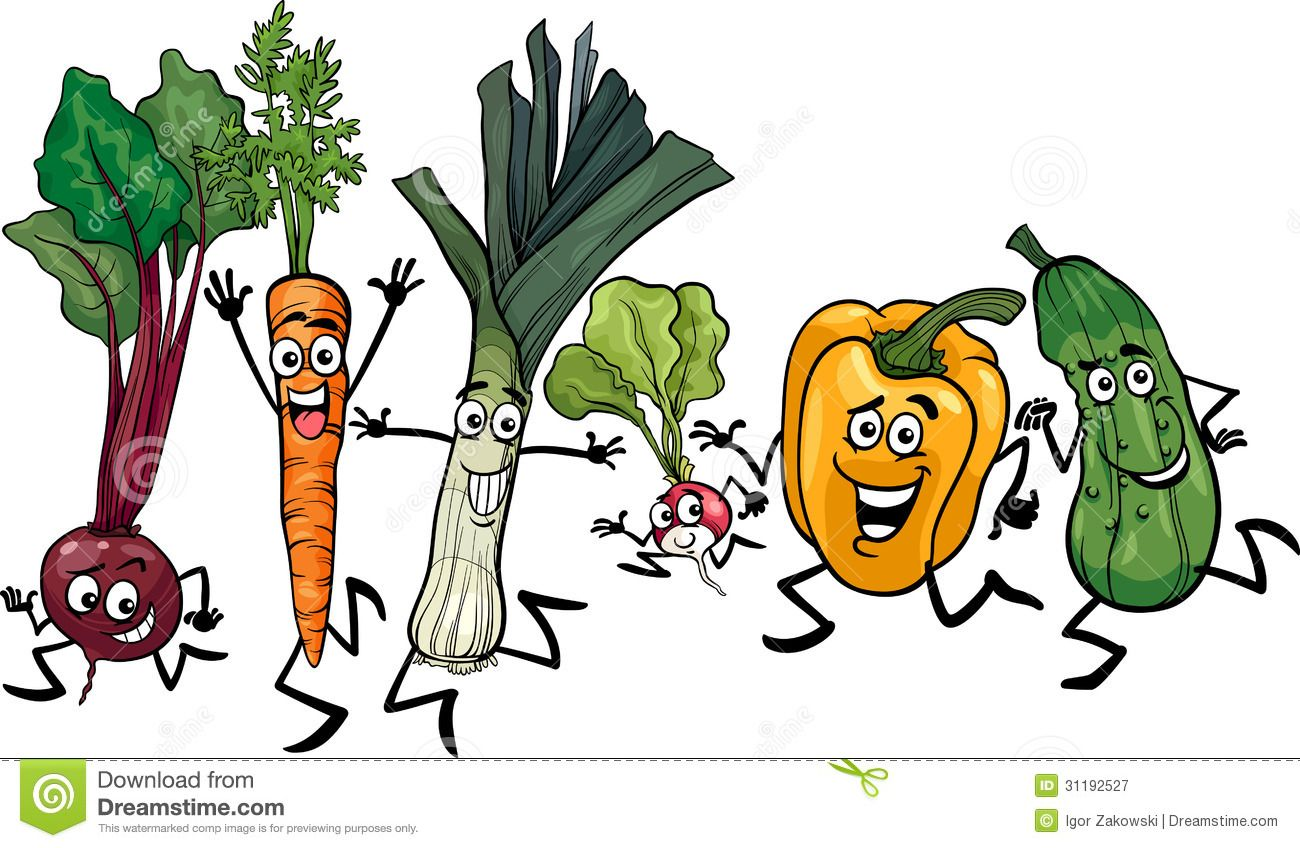
You won’t see herds of bright-eyed young leeks being chivvied on their way by Mother Leek, all anxious to reach the fertile beds of newly turned soil on the far side of the mountain. There are no tomatoes bouncing happily along (gawd, what a mess that would make – instant pesto, especially if the onions flattened them and the ensuing mush rolled over the migratory basil and slow-moving pine nuts). There’s no celery crunching up the snowy passes. No hopping pumpkins or ludicrously fertile courgettes spreading out in mighty bands as they roll towards the promised land. There’s no cereal, either. No golden barley weaving its way down to the waiting pastures, running its fingers through its glorious stalks, and whispering to anyone that will listen “One day Sting will write a song about me.” Readers who are familiar with the LoTR lampoon Bored of the Rings may see where the inspiration for that section came from.
The reason no vegetables were involved in the migration of the Bakhtiari is because agriculture is an unnatural and completely anthropocentric activity, unlike migratory drifts and herding. Period. Only humans cultivate, and most importantly, only humans cultivate monocrops. Even when those monocrops are used to raise cattle or other animals for meat (a criticism worked to the edge of exhaustion by non-meat-eaters, and one with which I largely agree) it’s still anthropocentric. It’s for the benefit of humans. People argue that the animals benefit too in terms of welfare, giving birth, and pure survival, and that’s not a point I’m going to argue with here. Rearing all vegetable, cereal, and fruit crops the way we do is ultimately anthropocentric, whether eaten by us or domestic animals, and it has severe implications for the state of the planet.
I’m speaking here as one who not only loves and eats lots of fruit and veg – five a day? Bloody hell mate, give me a proper challenge – but who also grows lots of vegetables. I was vegetarian for 12 years – I’m not any longer. There’s a kind of hypocrisy about kidding oneself about not wanting to eat certain animals because it’s cruel, but having to destroy other animals in order to get a vegetable crop.
Growing vegetables is a constant struggle against other animals who want to eat the vegetables. One copes, one way or another. But that coping inevitably involves the removal or exclusion in some way of those animals that want to eat the veg, otherwise, I’d probably end up with very few, possibly zero, vegetables. Or one can encourage one animal to eat the others, which never works as well as it sounds, in my opinion, because the birds would rather eat peanuts off the bird table than pick caterpillars off the cabbages, thank you very much.
So, is the removal or exclusion of other animals from eating human crops genuinely Vegan? The majority of commercial crop-growers don’t care about that – they spray, they dig up the ground, they cover it in plastic mesh or plastic sheeting. Some will shoot birds or animals attempting to steal “their” crops. After a cereal crop is harvested by a mighty combine, the canny corvids and seagulls fly in, ready to feast on the remains of chopped up rodents, insects, and amphibians. Plus, agriculture is an industry that is currently totally dependent on the agri-petro-chemical industry. Where there is agricultural land, there is inevitably loss of habitat for other species, in our intensively cultivated world.
You could be a fruitarian or a forager of course. That would mean denying other animals access to that particular mushroom or crab apple you’re just about to pick. You see, something suffers, and often dies, in order for you and I to live. That’s it. There’s no getting round it.
So where does that leave the ponies? For hundreds of years they were just out there, on the hills, in the bogs and swamps, a natural resource to be used by people. And used they were, for riding, for drawing vehicles, for pack animals, and probably when times were hard, eaten. There were nominally taboos on eating horse meat in Britain but I’m prepared to wager it happened at some point in the island’s long prehistory and history, and it certainly happened when herds were still crossing over Doggerland.
In the last few thousand years since there’s been herding and agriculture on this island, there have almost certainly been been annual drifts, as there are today – the connection with migration and herding is clear from the word drift – when herds of ponies would be brought down from the hills, or in from the fens, and some sold or exchanged, usually the foals from that or previous years. Henry VIII tried to control this ancient activity with legislation, namely “An Acte Concerning the breade of Horsys of England” but no-one took much notice of it. Bluster on, Hal. The upland farmers carried on doing what they’d always done, keeping an eye on the hill sheep, cattle, and ponies, and bringing the ponies down occasionally to horse sales. Horses in the fens were also brought to fairs. In parallel with this, there were breeding developments going on among the wealthy, and some of the feral and semi-feral stock contributed to these emerging horse breeds, some of which are still with us today.
And over time, thanks very much to the input from non-human animals in ways too numerous to list, the human population grew, and flourished mightily, with roads, railways, houses, and factories occupying more and more of the land. And the leeks and the turnips and the golden barley settled their roots deep into the fertile soil. And the humans looked out over cultivated ground and saw that it was good. And the ponies looked down from their last remaining places in the hills at the humans, and the houses, and the leeks, and roads, and wondered.

Miriam A Bibby 2024
 historyonhorseback